Portfolios & Projects

Drain

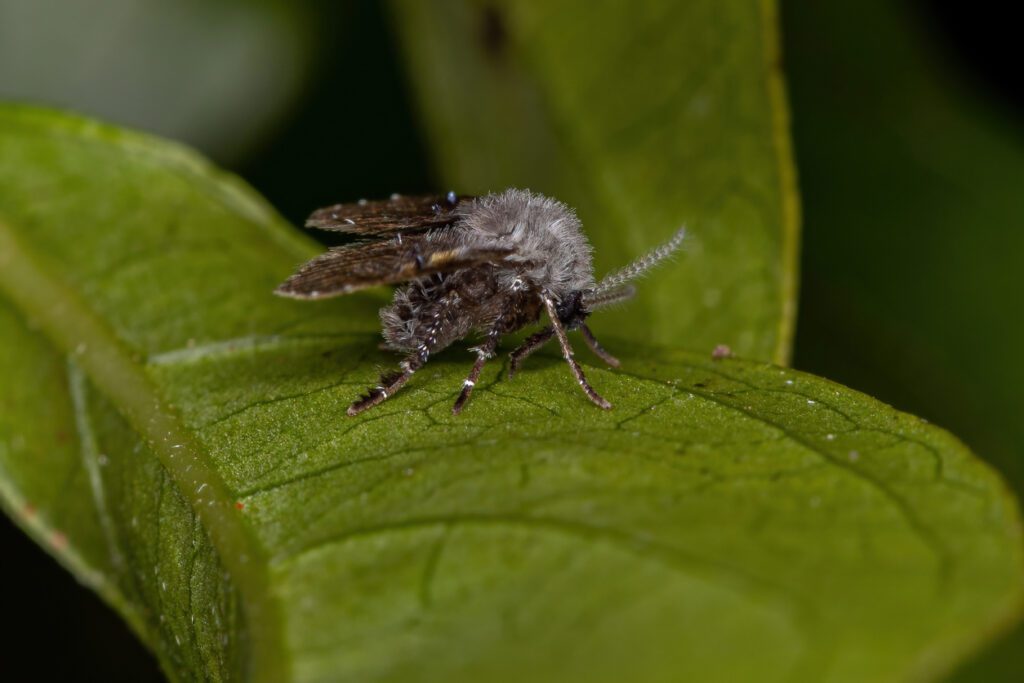
Drain flies do not bite humans but may become a nuisance because of their tendency to present in large quantities. Sometimes it takes persistent effort to eradicate an infestation in the home. Drain flies thrive in stagnant and standing water. Common sources include slow or clogged drains, rarely used and unused toilets, refrigerator drain pans,
Drain Read More »

House

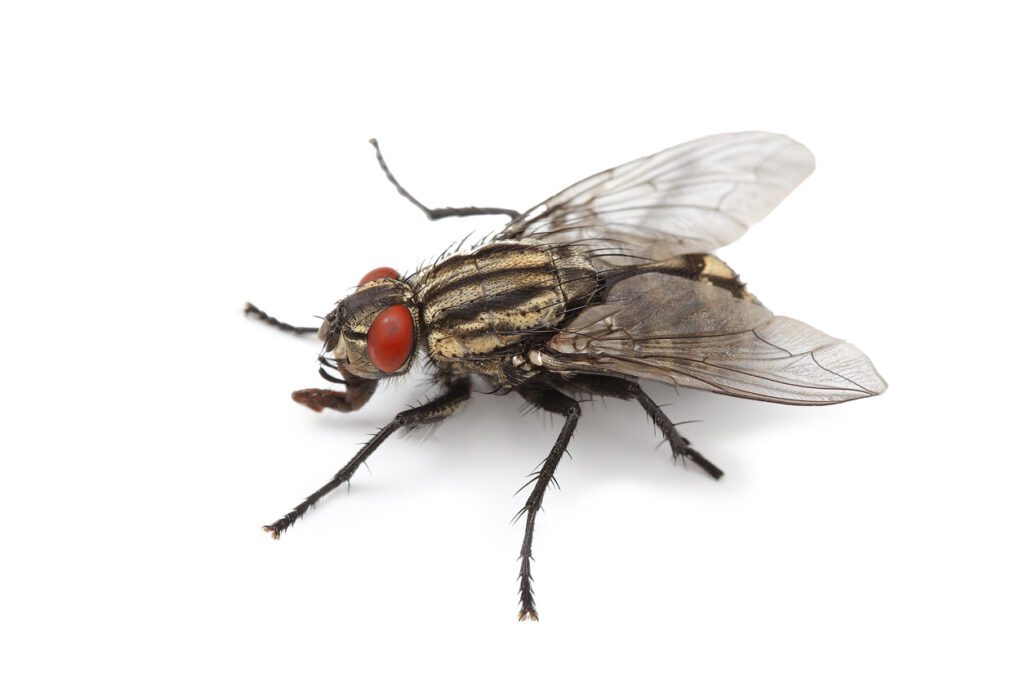
House Flies are commonly found in garages, spoiled food, and even feces, but they also prefer to congregate in corners, edges, or thin objects. In the day, they may be seen on the ceiling, floors, and walls. A House fly infestation can cause health complications since they can contaminate food and water and carry diseases

House Read More »

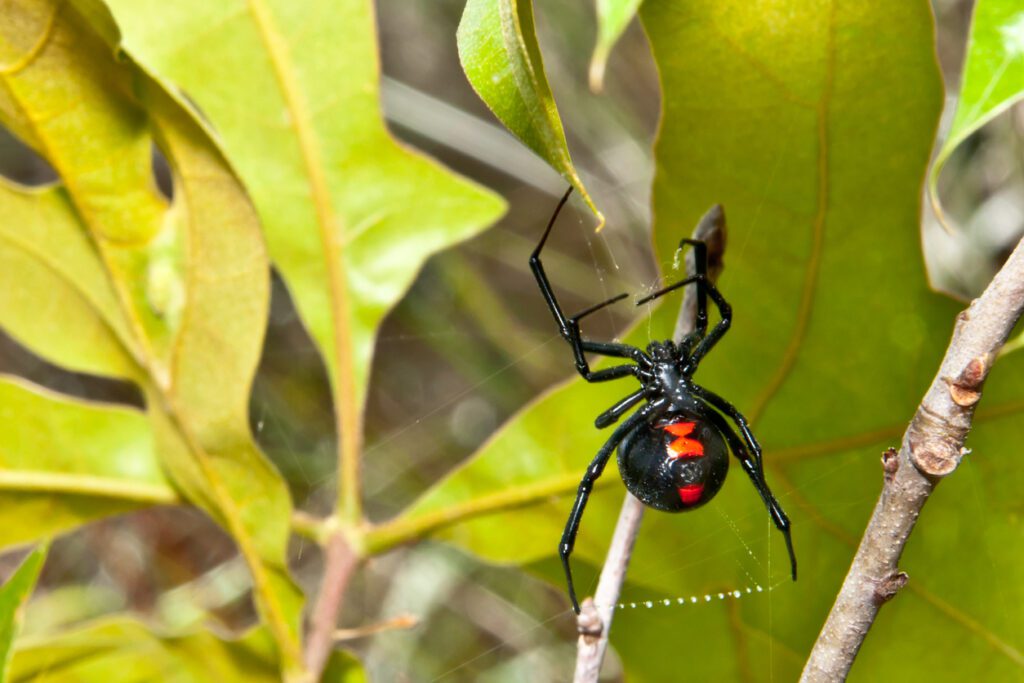
Black Widow

The name for these venomous arachnids comes from the female’s tendency to eat the male after mating. They are widely feared as the most venomous spider in North America, as their bite is known to be 15 times more venomous than a rattlesnake bite. Death from a Black Widow Spider bite is very rare. However,

Black Widow Read More »

Subterranean

These termites are one of the most destructive, causing 95 percent of all termite-oriented damage in North America. These pests live in the earth under and around your home. They can enter a household through the wood that is touching the ground or by making their own passageways. Their paths usually consist of mud tubes

Subterranean Read More »

Formosan

Formosan termites are regarded as the most aggressive type of termite, chewing through all types of wood and paper structures and objects. They even carry the nickname, “super termites.” Keep an eye out for the discarded wings of swarmers around window sills and light fixtures. Also, their tunneling through wood will cause it to make

Formosan Read More »

Eastern Subterranean

The Eastern Subterranean termite is the most widely spread type of termite in North America. These pests will generally swarm during springtime and consume the inner, softer parts of trees and wooden structures, leaving a weak shell behind. Because of this, Eastern Subterranean termites can be hard to detect and very destructive without careful detection

Eastern Subterranean Read More »

Conehead

The Conehead termite is unique from other termites, since they forage above ground instead of tunneling. Although, they still build dark brown tubes and nests in wooden objects like trees and buildings. Their nests can be as large as 3 feet across, and they tend to spread quickly. Conehead termites are aggressive and can cause

Conehead Read More »

Alate

Alates are a caste of termites. There are workers, soldiers, and alates. Alates—also called swarmers—are winged termites. They are reproductive termites that make use of their wings to explore new areas to start new colonies. One sign of a termite infestation is finding the discarded wings of alates on window sills and near light fixtures.

Alate Read More »

Yellow Sac Spider

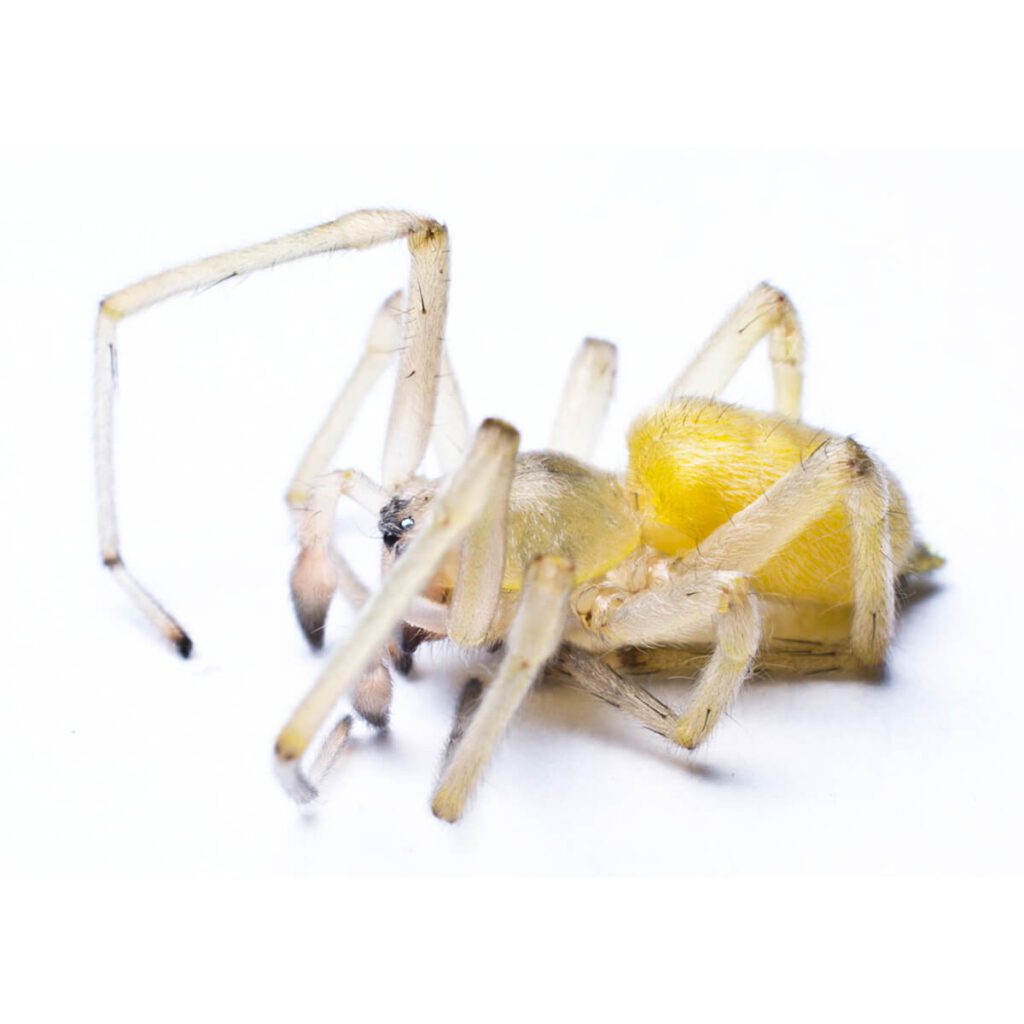
A nocturnal hunter, the Yellow Sac spider rests in a sac during the day. This spider is a particularly hazardous pest due to its tendency to bite humans. Yellow Sac spiders account for the majority of spider bites in humans. These bites are not particularly dangerous, but they do produce large, red sores followed by

Yellow Sac Spider Read More »

Wolf Spider

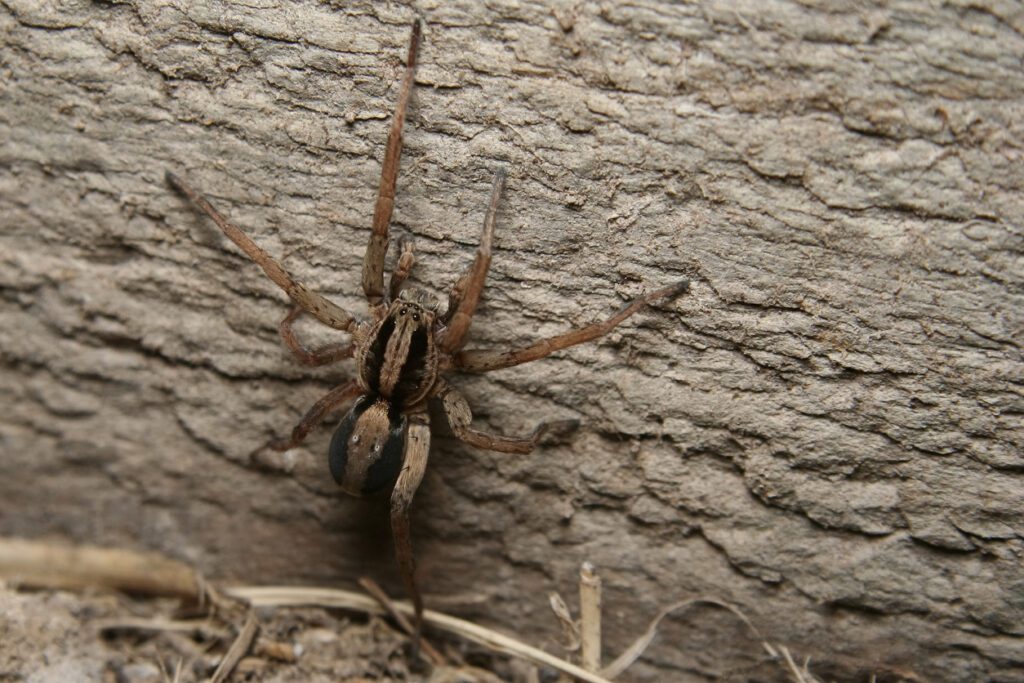
Ever see a massive spider and assume it was a tarantula? There is a substantial chance that it was actually a wolf spider. Wolf spiders are often mistaken for tarantulas due to their large, hairy bodies. Despite their intimidating presence, these arachnids come in handy when dealing with other pests. Naturally a hunter, the wolf

Wolf Spider Read More »

Scroll to Top