Portfolios & Projects

German Cockroach

German Cockroaches have a light brown shell with two black stripes across its back. They may travel into the house by hitchhiking on personal belongings or boxes that are brought inside. Then they find a moist and warm area of the house to hatch their eggs, where female German Cockroaches lay an average of 30-40
German Cockroach Read More »

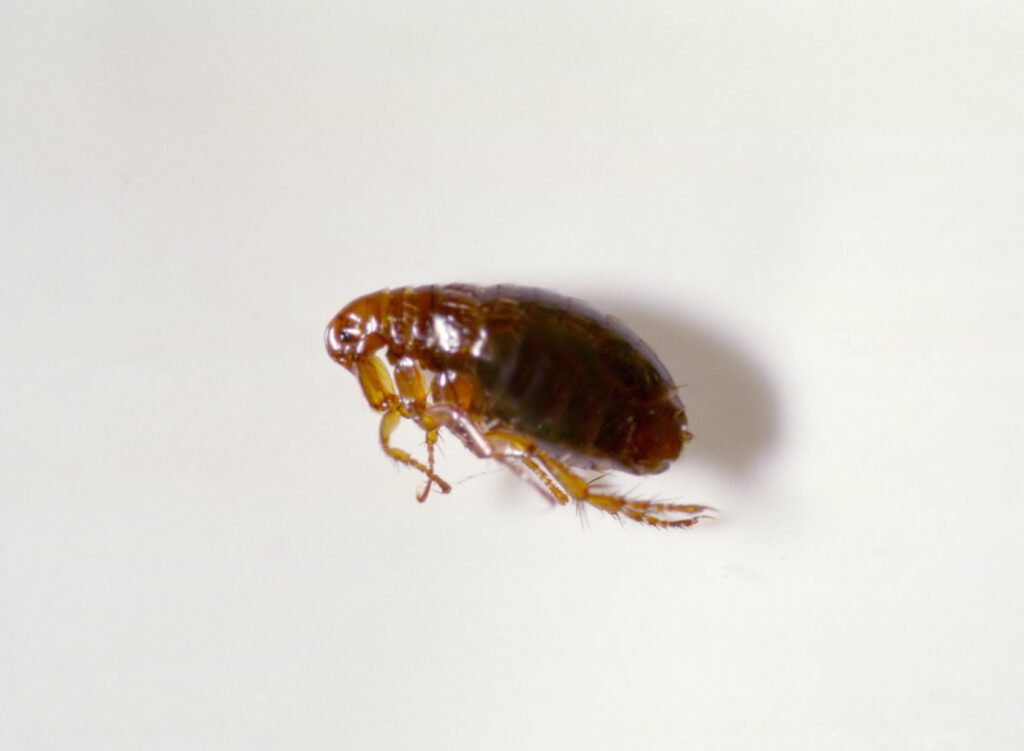
Dog Fleas

Or, Ctenocephalides canis, are primarily found on dogs and feed off the blood of dogs. These fleas can live without food for months, and females can produce up to 50 eggs per day, making these fleas extremely difficult to remove. These fleas have been known to cause various allergy developments and infections in animals, which

Dog Fleas Read More »

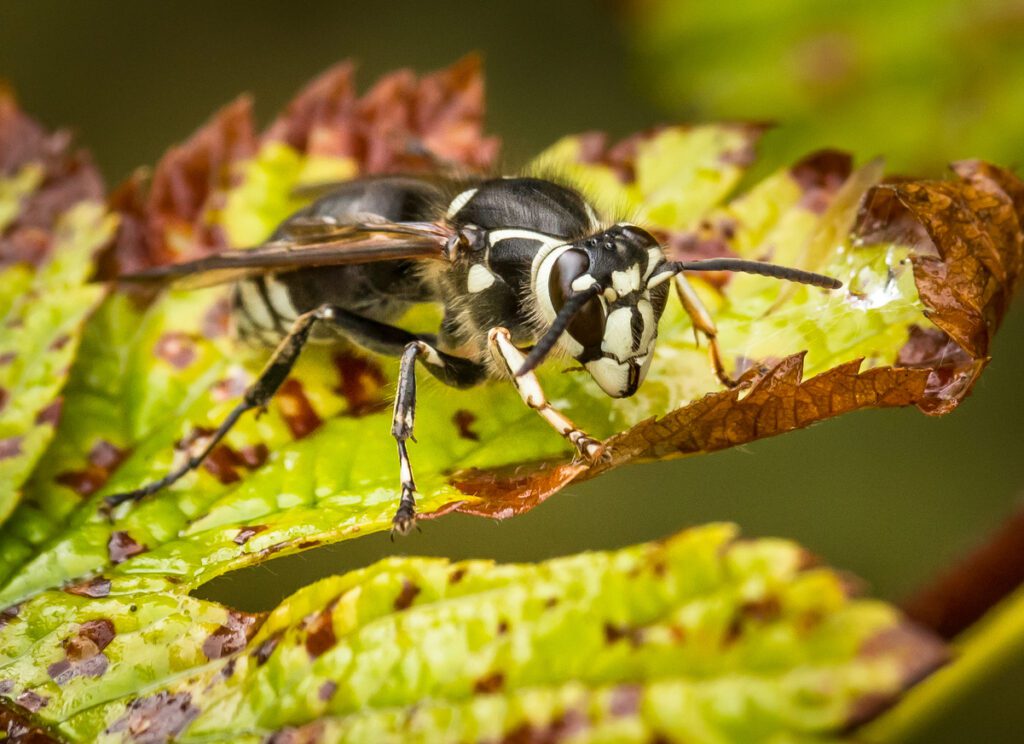
Bald Faced Hornet

These hornets live in large colonies and are known to be quite aggressive. They will sting anything and everything that gets in their space. They have smooth stingers, which means they can sting many times without losing their stingers. Bald-faced Hornets typically build paper-like nests at least a few feet off the ground. If you

Bald Faced Hornet Read More »

European Hornet

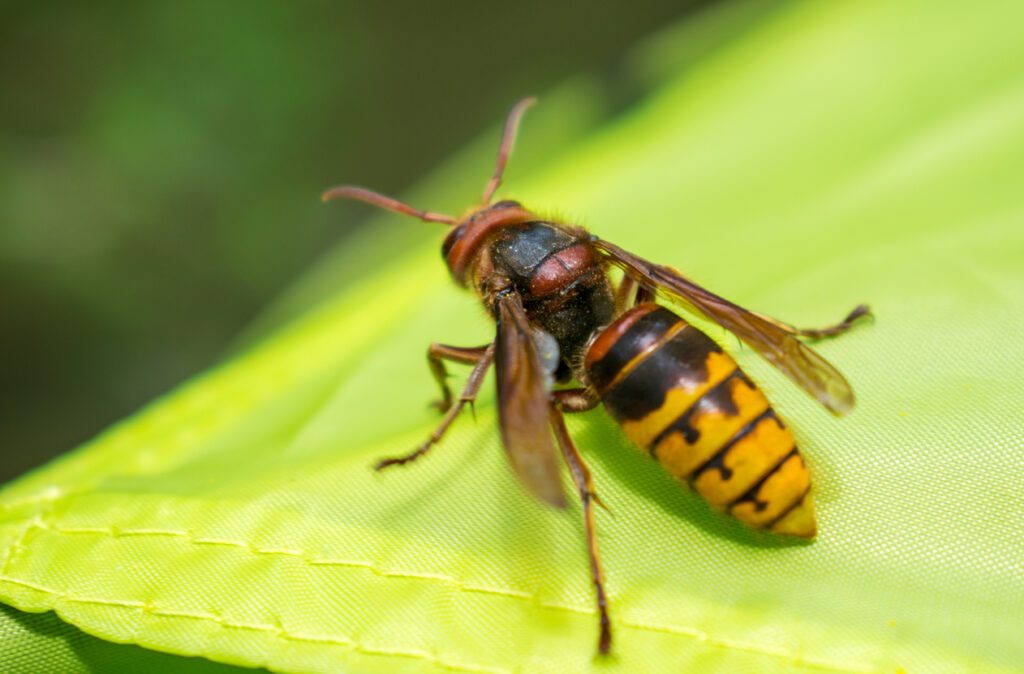
Despite its name, Europe is not the only area this hornet frequents. It was originally introduced in New York from Europe in the 1800’s, hence the name. These insects are unique in the fact that they can be found flying around long after the sun has gone down. This is an uncommon action for stinging

European Hornet Read More »

Sweat Bee

Sweat Bees, also called halictids, are small bees that burrow in soil and rotten wood. They aren’t a problem in smaller quantities, but if they gather in large numbers, they can be a threat to your peace.

Sweat Bee Read More »

Honey Bee

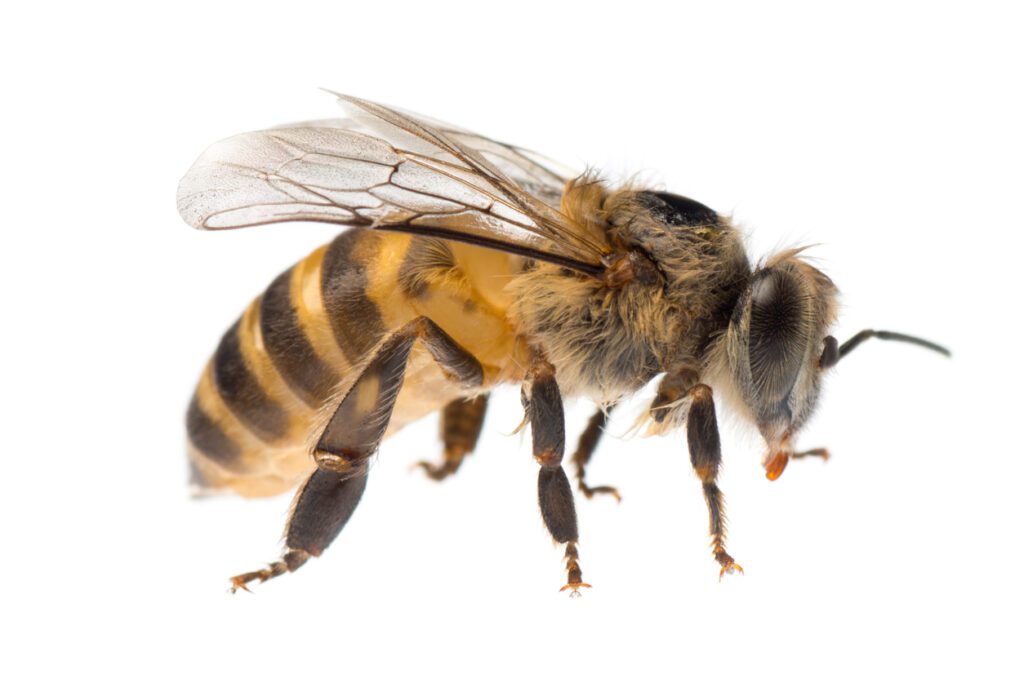
Honey Bees are generally good for pollinating plants and producing the tasty treat we enjoy. Usually, honey bees are not harmful in small numbers, but if they nest near your home, they can quickly become a nuisance. They are deadly if someone has allergies.

Honey Bee Read More »

Bumble Bee

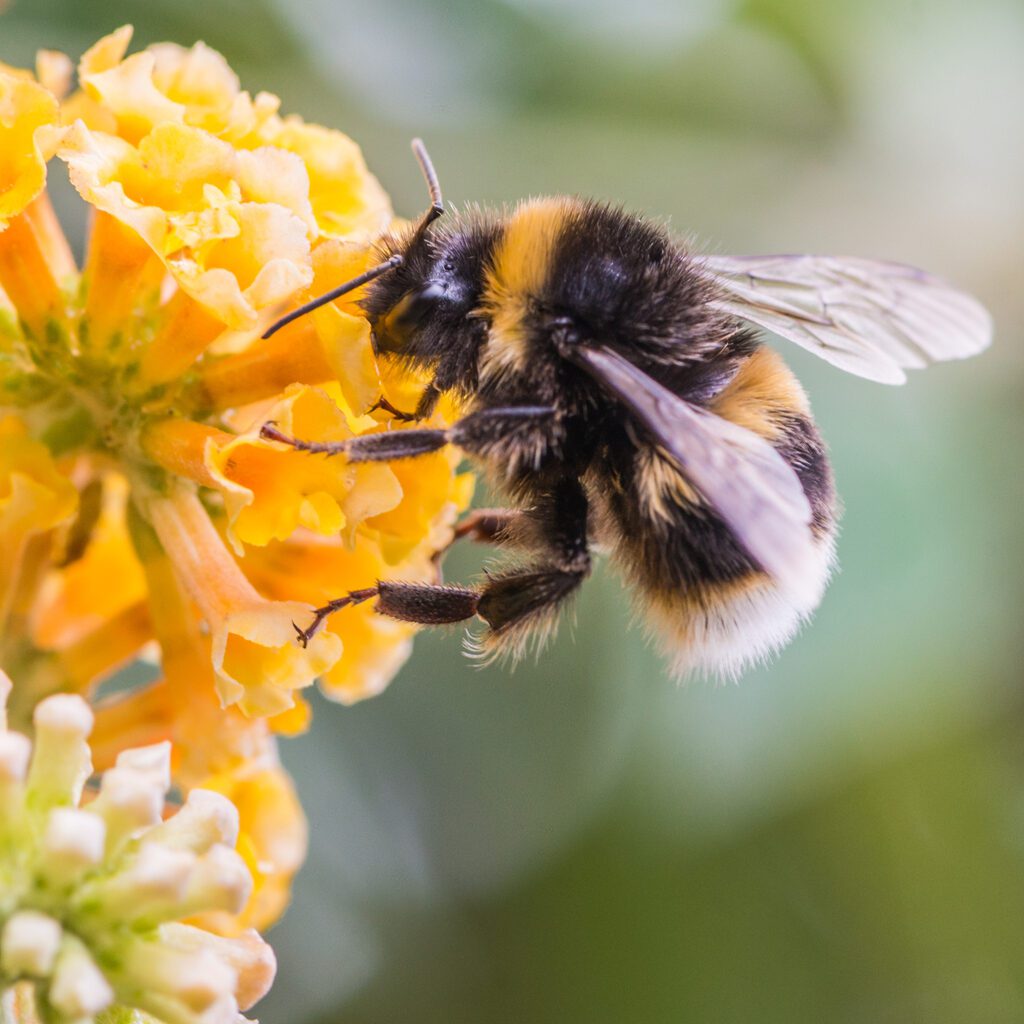
Bumble Bees aren’t usually harmful to humans. However, they can become a nuisance if they build their nests near your home. Safe migration may become necessary. They are also an allergy risk for certain people.

Bumble Bee Read More »

Potter/Mason

The potter wasp uses mud as a primary building material for its nests. This wasp gets its name from the pottery-like shapes of their nests, which are also typically located in elevated and dry areas around houses. The Potter wasp hunts insects and other prey to paralyze and store in the egg chambers for the

Potter/Mason Read More »

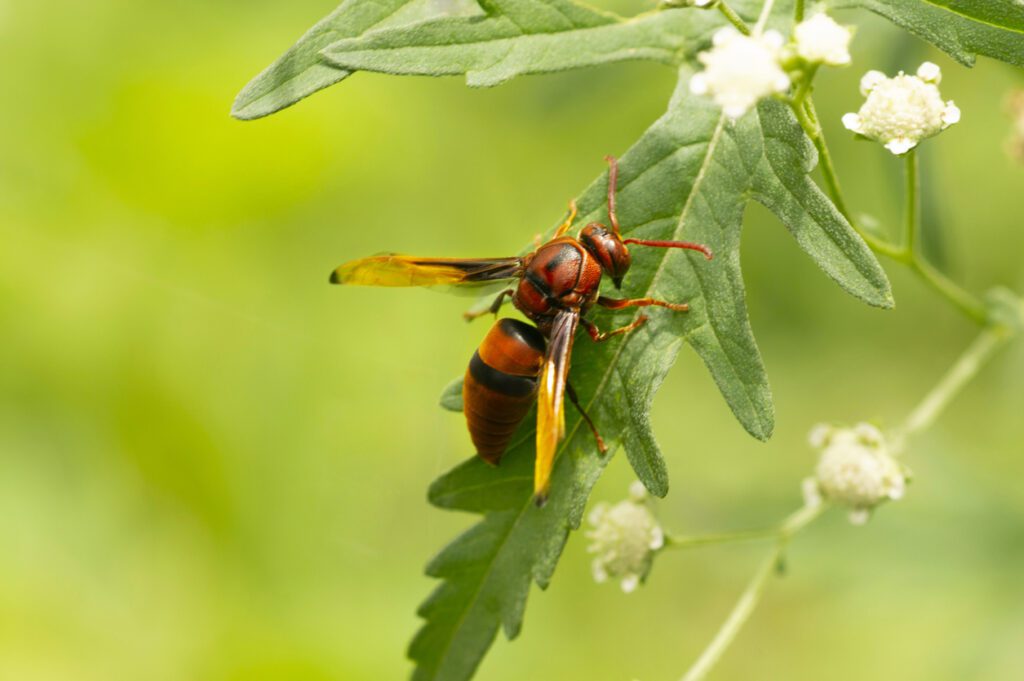
Red Paper

These wasp stings are usually painful but have few lasting effects. In rare cases, their venom may provoke a serious allergic reaction if the person stung is highly allergic to the wasp’s venom. Red wasps are not as aggressive as yellow jackets and sting only when provoked or if they sense the need to defend

Red Paper Read More »

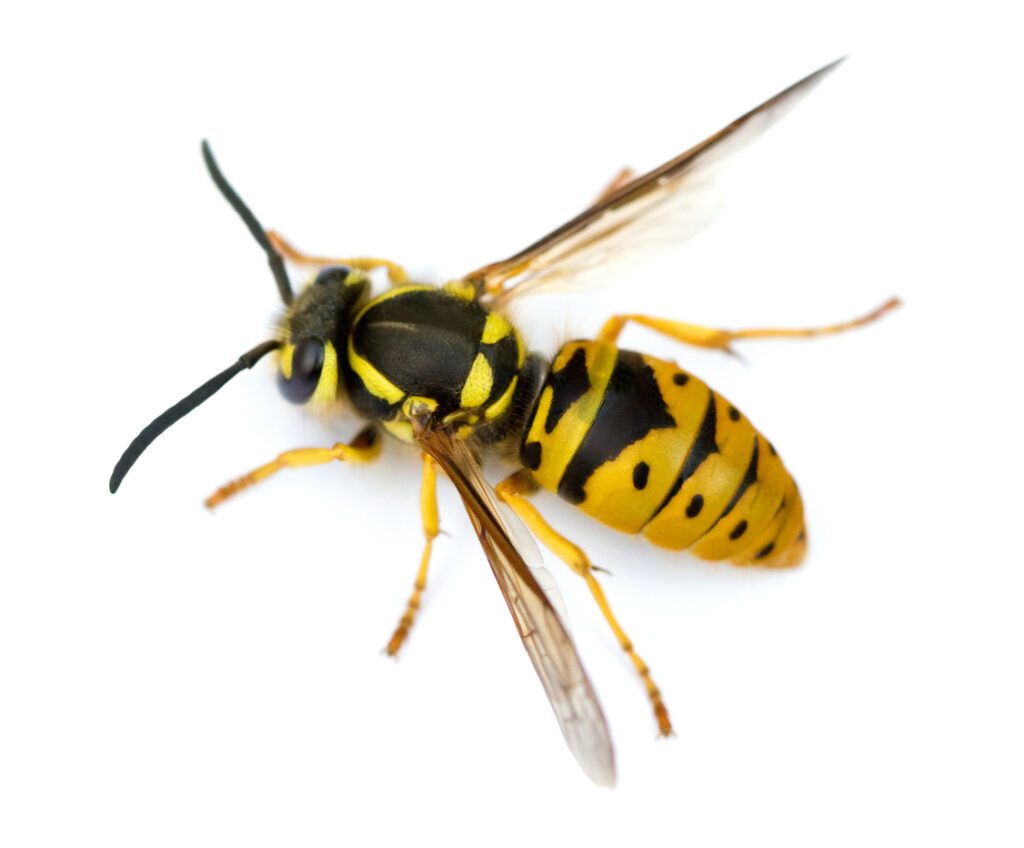
Yellowjacket

One of the most aggressive wasps, the yellow jacket won’t think twice about defending its home from any potential intruders. Some people may wonder, “How am I supposed to differentiate all of these bugs?” A key trait of the yellow jacket is its thin “waist” or area between the abdomen and thorax. Especially because of

Yellowjacket Read More »

Scroll to Top