Wasps

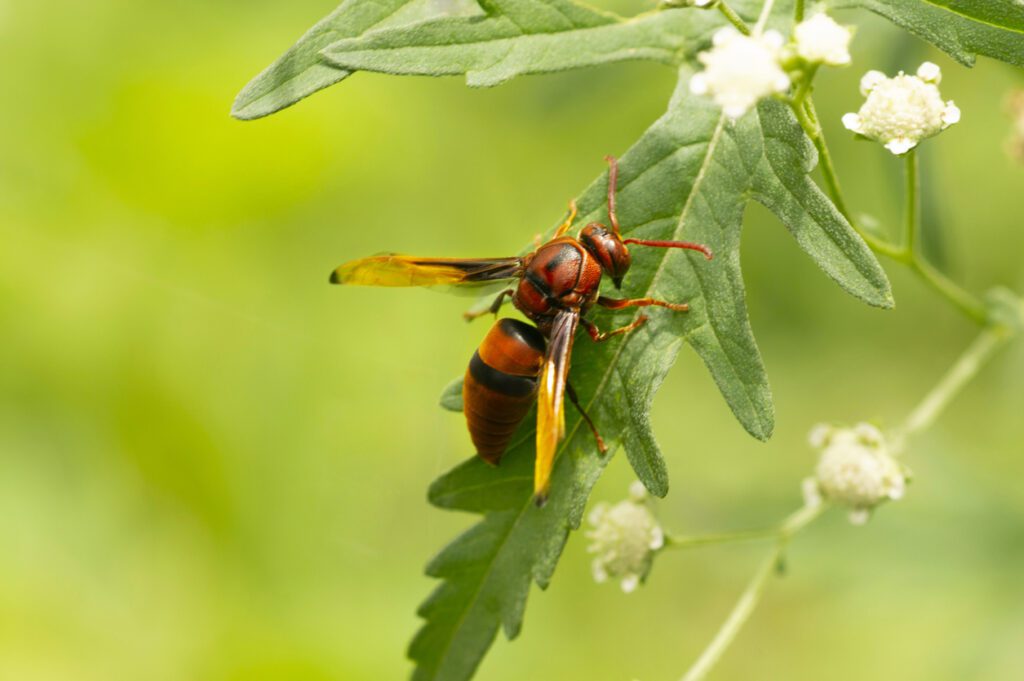
Potter/Mason

The potter wasp uses mud as a primary building material for its nests. This wasp gets its name from the pottery-like shapes of their nests, which are also typically located in elevated and dry areas around houses. The Potter wasp hunts insects and other prey to paralyze and store in the egg chambers for the
Potter/Mason Read More »

Red Paper

These wasp stings are usually painful but have few lasting effects. In rare cases, their venom may provoke a serious allergic reaction if the person stung is highly allergic to the wasp’s venom. Red wasps are not as aggressive as yellow jackets and sting only when provoked or if they sense the need to defend

Red Paper Read More »

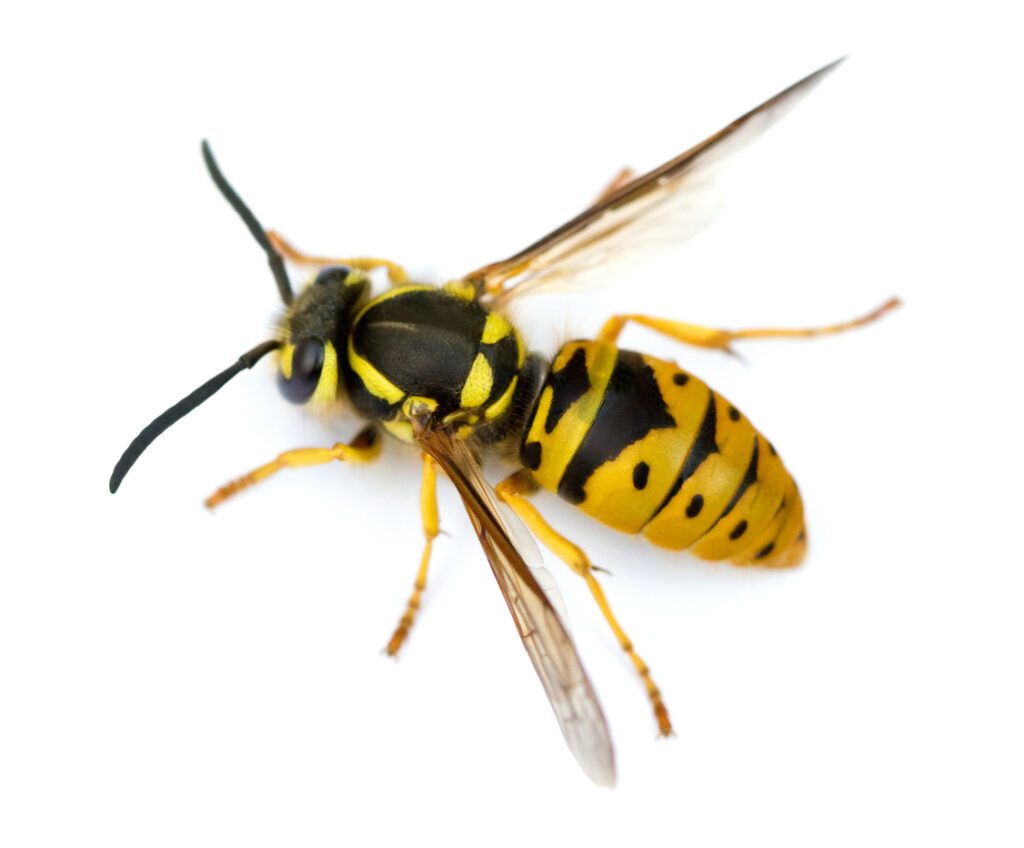
Yellowjacket

One of the most aggressive wasps, the yellow jacket won’t think twice about defending its home from any potential intruders. Some people may wonder, “How am I supposed to differentiate all of these bugs?” A key trait of the yellow jacket is its thin “waist” or area between the abdomen and thorax. Especially because of

Yellowjacket Read More »

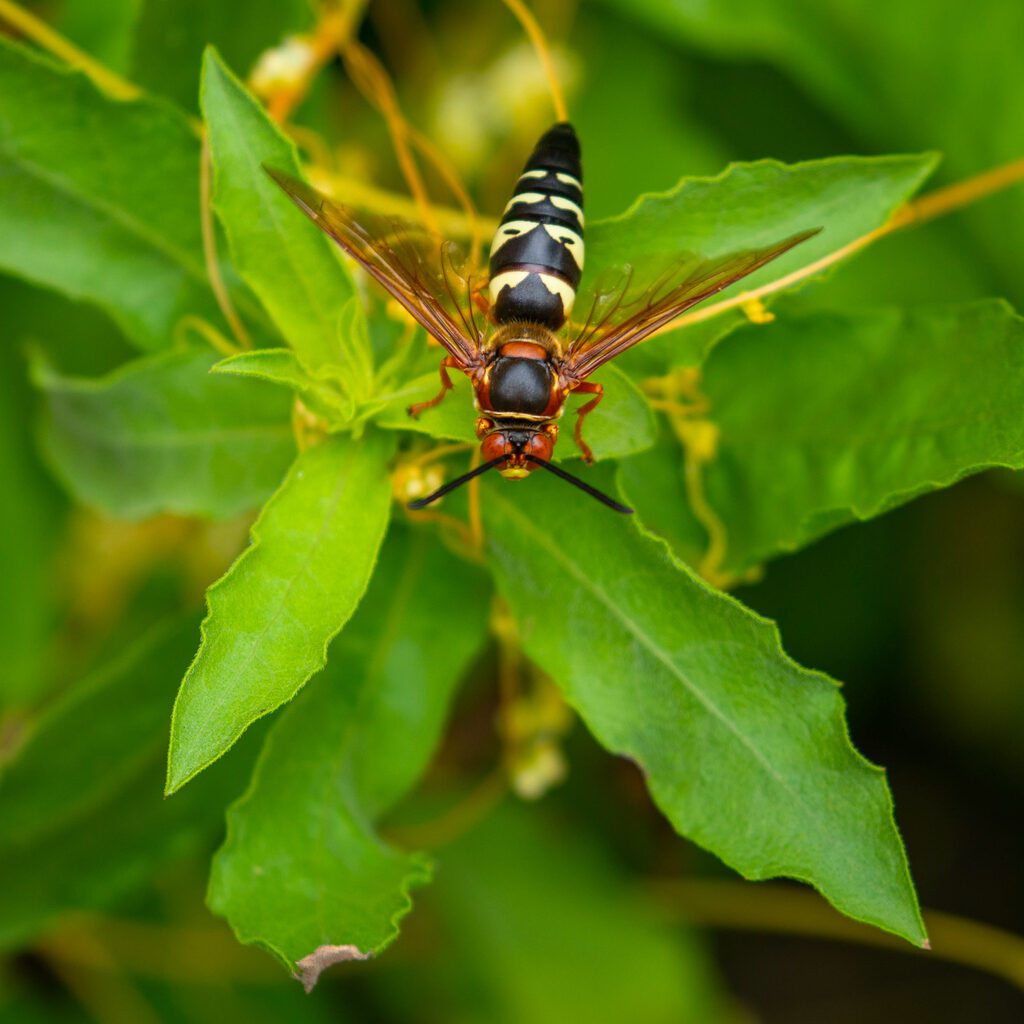
Cicada Killer

Cicada killer wasps dig underground burrows where they can leave food for their young. While not aggressive, their stings are meant to paralyze cicadas and are fairly painful. Where cicada killers cause the most damage is with their tunnels, which are extensive and displace several pounds of dirt. If located near tiled patios or gardens,

Cicada Killer Read More »

Scroll to Top