Beetles

Carpet Beetles

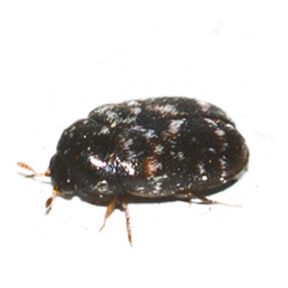
Carpet beetles are typically small black beetles that are approximately 1/8 of an inch long. The adult beetles and larvae both tend to feed in dark, undisturbed areas. Carpet beetles feed on animal fibers, such as wool, silk, fur, feathers, and leather. Their feeding habits make carpet beetles a serious threat to your home, as
Carpet Beetles Read More »

White Spotted Sawyer

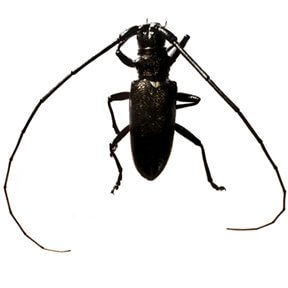
A common wood-boring beetle, the white spotted sawyer can ruin trees’ quality for the logging industry. While some live in areas where wildfires have come through and altered the landscape, many live in forests boring into lumber. Watch for these in boreal forests, as they can cause millions of dollars in damages each year.

White Spotted Sawyer Read More »

Weevil

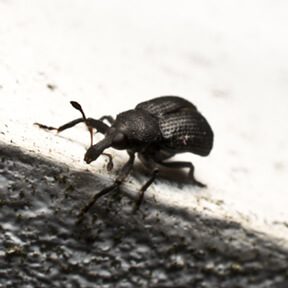
Commonly less than 6 mm and herbivores, weevils can wreak havoc on agriculture. They damage and kill crops, making them a pest all around the world. Rice and cotton are the most common crops they damage, with their larvae ruining many cotton crops worldwide. If you want to save your crops from the damage of

Weevil Read More »

Six Spotted Tiger

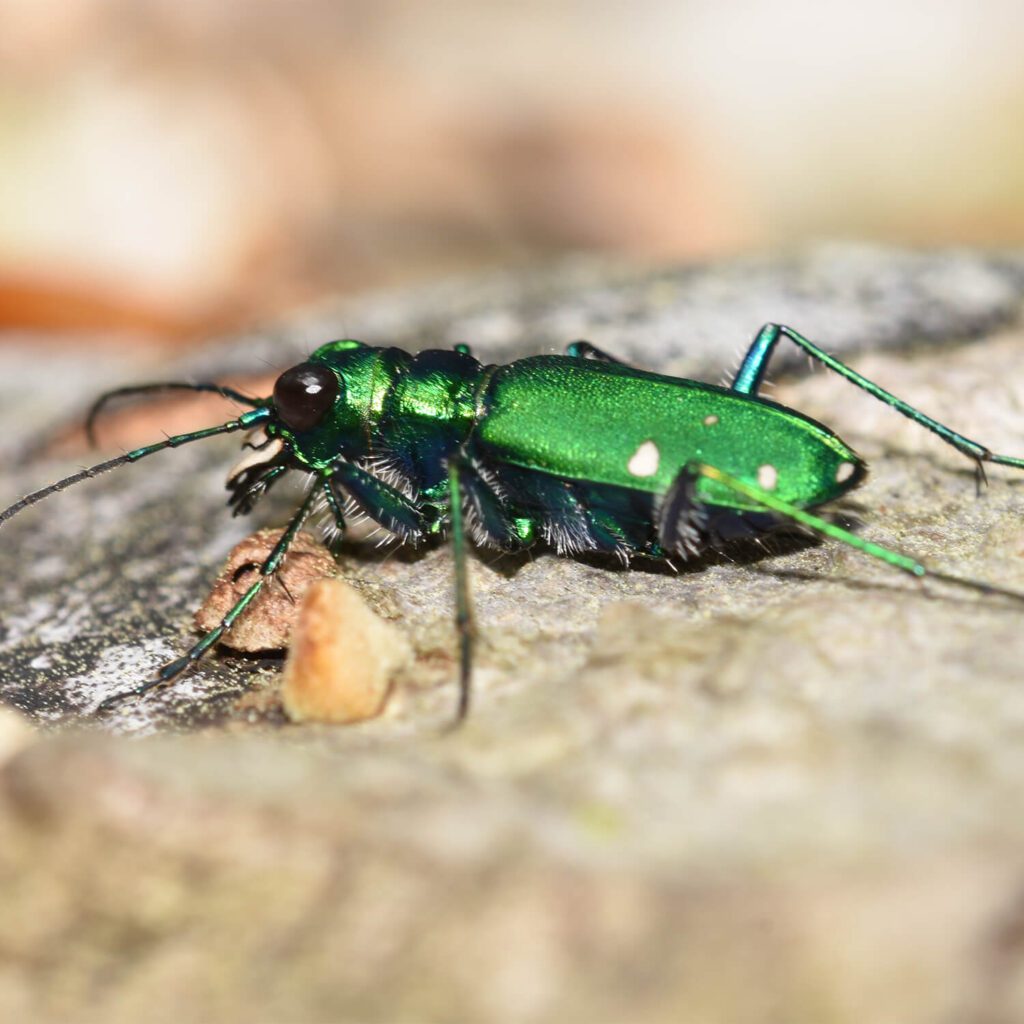
Living in deciduous forests from the Midwest to the East Coast, the appearance of these beetles makes them easily identifiable. A bright blue-green color with long legs, these bugs can often be found in sunny patches along the forest floor. They can be found hunting ants, spiders, and caterpillars around logs, and their larvae feed

Six Spotted Tiger Read More »

Multicolored Asian Lady

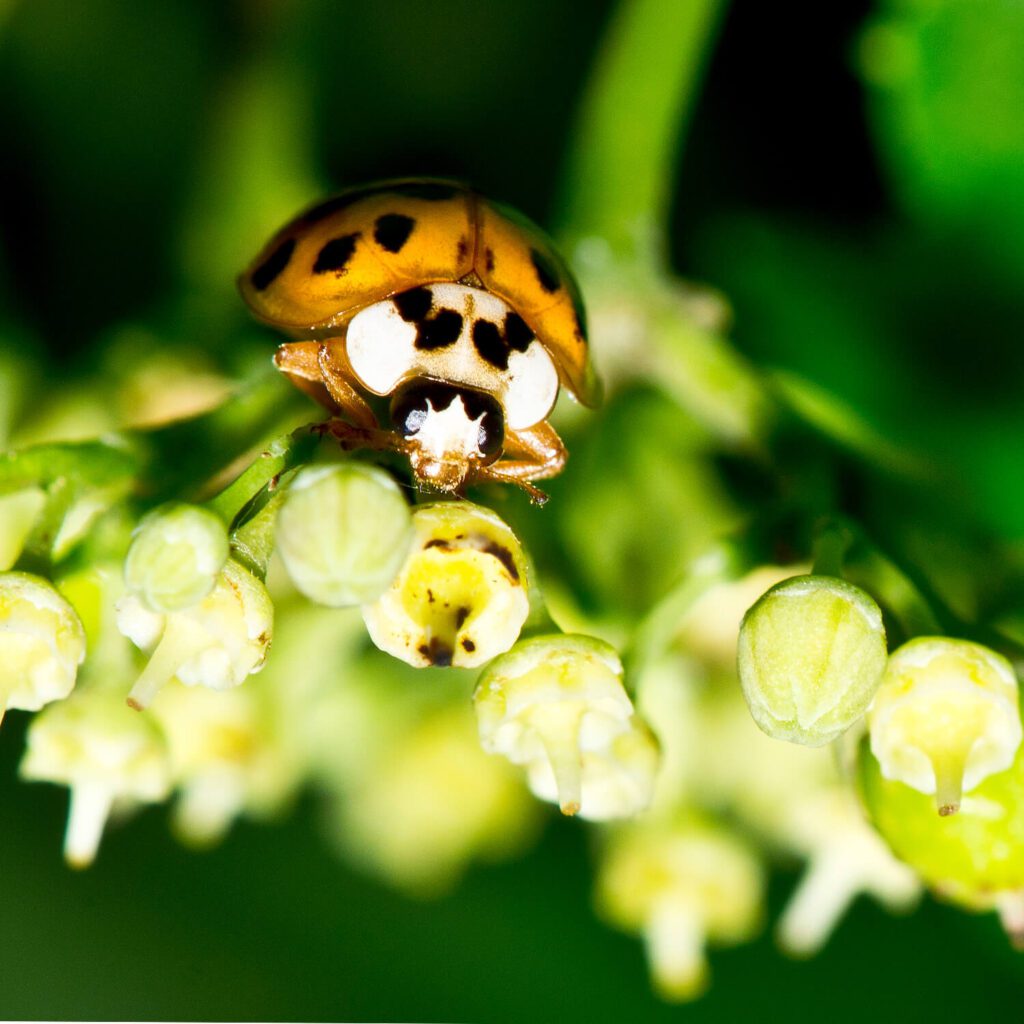
These beetles typically begin flying into homes in the fall months to stay for the winter. They return outside when the weather starts to get warm again in the spring. Consequently, it is typically the spring months in which a ladybug infestation is the most noticeable. They can be a big nuisance to a homeowner,

Multicolored Asian Lady Read More »

Lightning

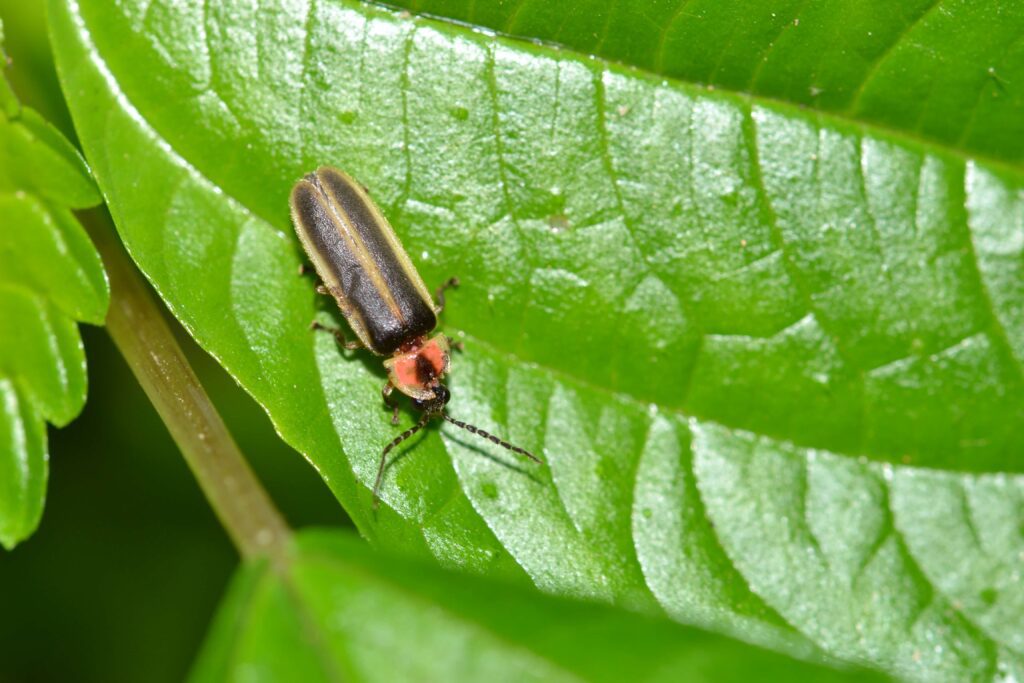
Otherwise known as lightning bugs or fireflies, these glowing insects can vary in size drastically by species. The males are luminescent while the females are not, but some entire species cannot glow at all. Those that are nocturnal have males that can emit light; however, diurnal species don’t need this skill and therefore do not

Lightning Read More »

Lady

Also known as ladybugs, Lady Beetles can be beneficial to gardens and orchards, since they eat insects that can harm plants. However, nobody wants a colony of them inside their home. They often migrate into warm homes to hide themselves from the coming cold winter temperatures during the fall. If you don’t want these guests

Lady Read More »

Japanese

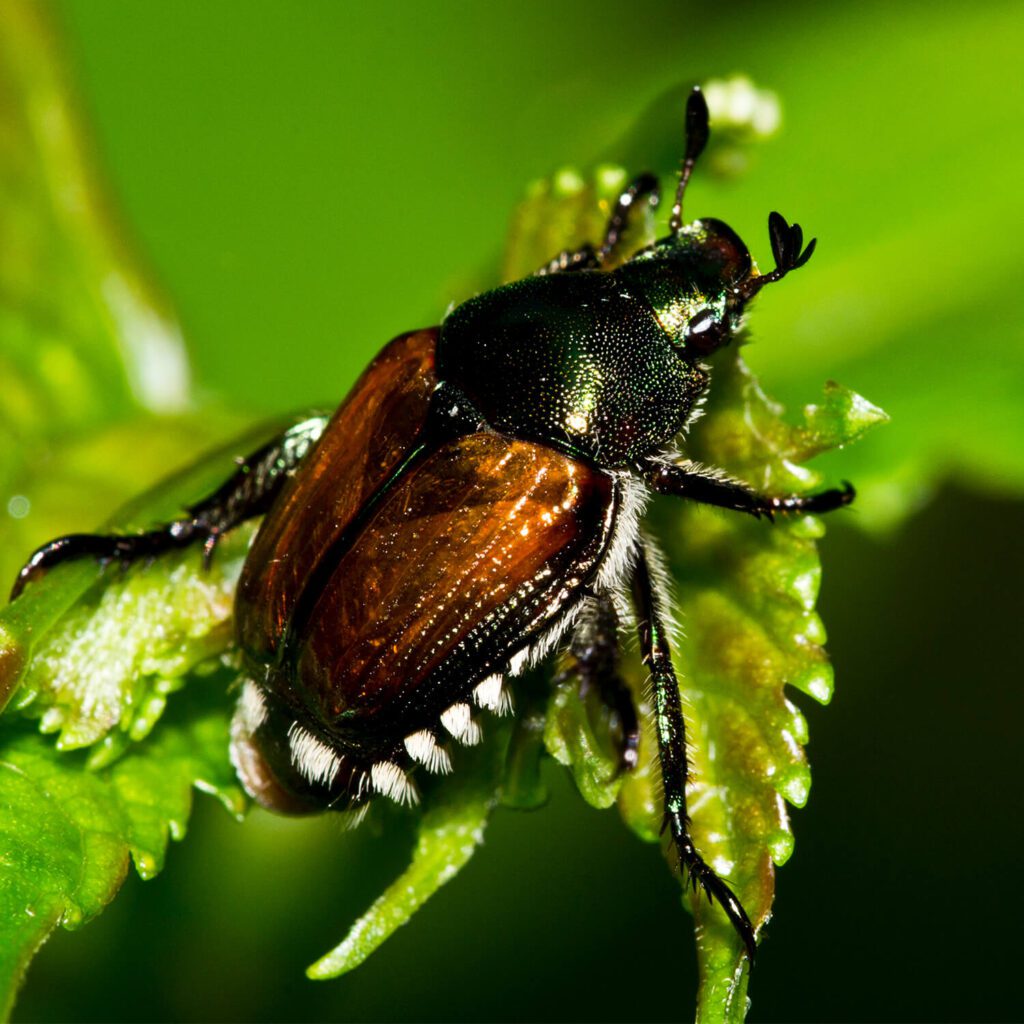
Considered a pest worldwide, most of the United States has had Japanese beetles since their accidental introduction to the country in shipments in the early 1900s. They measure 10-15 mm and are brown and copper in appearance. Their larvae feed on the roots of many plants, and adults eat the leaves of plants. Both of

Japanese Read More »

Iridescent

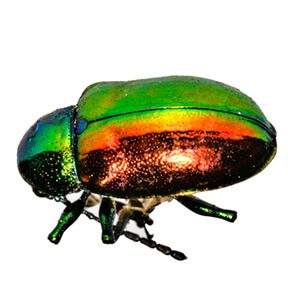
Also known as the figeater beetle, Iridescent beetles feed on nectar, pollen, and petals. They are often mistaken for green June beetles and like to live in moist areas. Their larvae eat decomposing organic matter and can feast on plant roots. This can cause garden damage to your home, ruining your hard work! If you

Iridescent Read More »

Dermestid

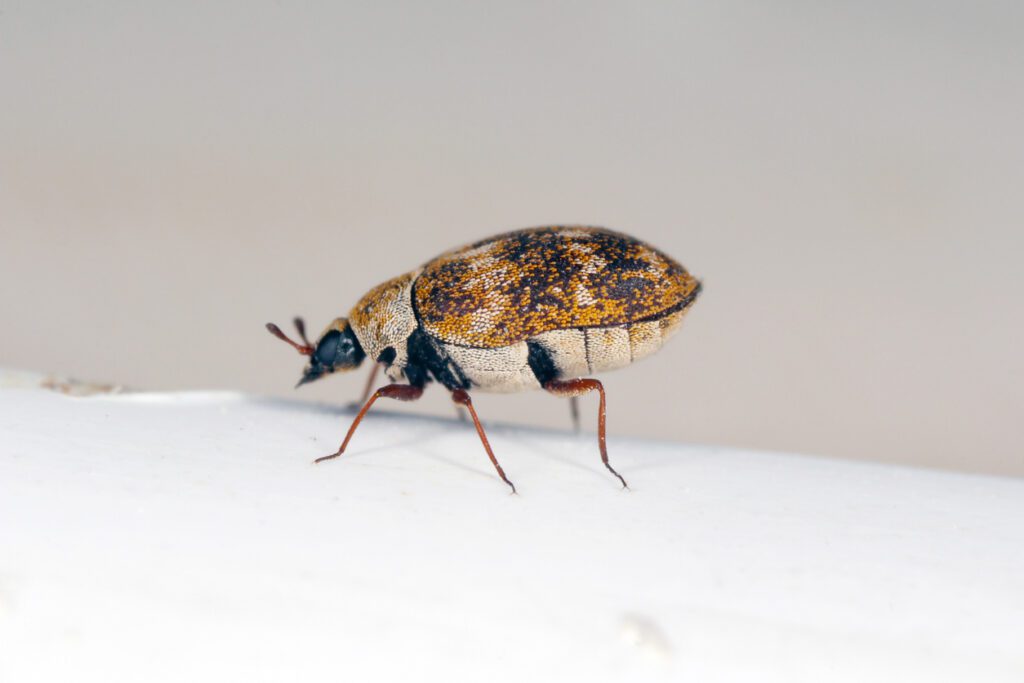
Dermestids feed on dry animal or plant material, such as skin or pollen, animal hair, feathers, dead insects, and natural fibers. They come in many forms and can cause major damage to natural fibers in homes and businesses. Keep these pests from laying waste to your home or shop by contacting your local pest control

Dermestid Read More »

Scroll to Top